It’s common to notice small gaps between teeth, especially the ones at the front. Some people like the way gaps look, but for others, they can feel like unwanted attention in photos or conversations. While gaps rarely cause physical problems, they can definitely change how someone feels about their smile.
We’ve seen more people asking whether composite bonding in Poynton could help make those small gaps less noticeable. It’s a practical option when you don’t want braces or longer treatment plans. As February moves along and spring slowly approaches, now is a good time to consider smaller changes that bring everyday comfort and confidence back into focus. Let’s talk about how bonding plays a part in that.
Understanding Gaps in Teeth
Tooth gaps, or diastema, can happen for all sorts of reasons. Sometimes, teeth are just naturally spaced out a bit more. Other times, habits like thumb-sucking during childhood or how the tongue presses against teeth can influence spacing over time. It’s also common to see small movements in tooth position as we get older.
Even if gaps cause no pain or dental problems, they can still feel off when you look in the mirror. Some people say they notice their teeth more in photos or feel like there’s too much space when they talk or smile. That feeling can affect how natural your smile feels, especially when the gaps are near the centre of your front teeth.
Spacing might not always be symmetrical either. One side might have a gap, while the other doesn’t. These little differences can affect the balance of your smile, even if everything else about your teeth is healthy. That’s where minor cosmetic work may feel like the right next step.
How Composite Bonding Actually Works
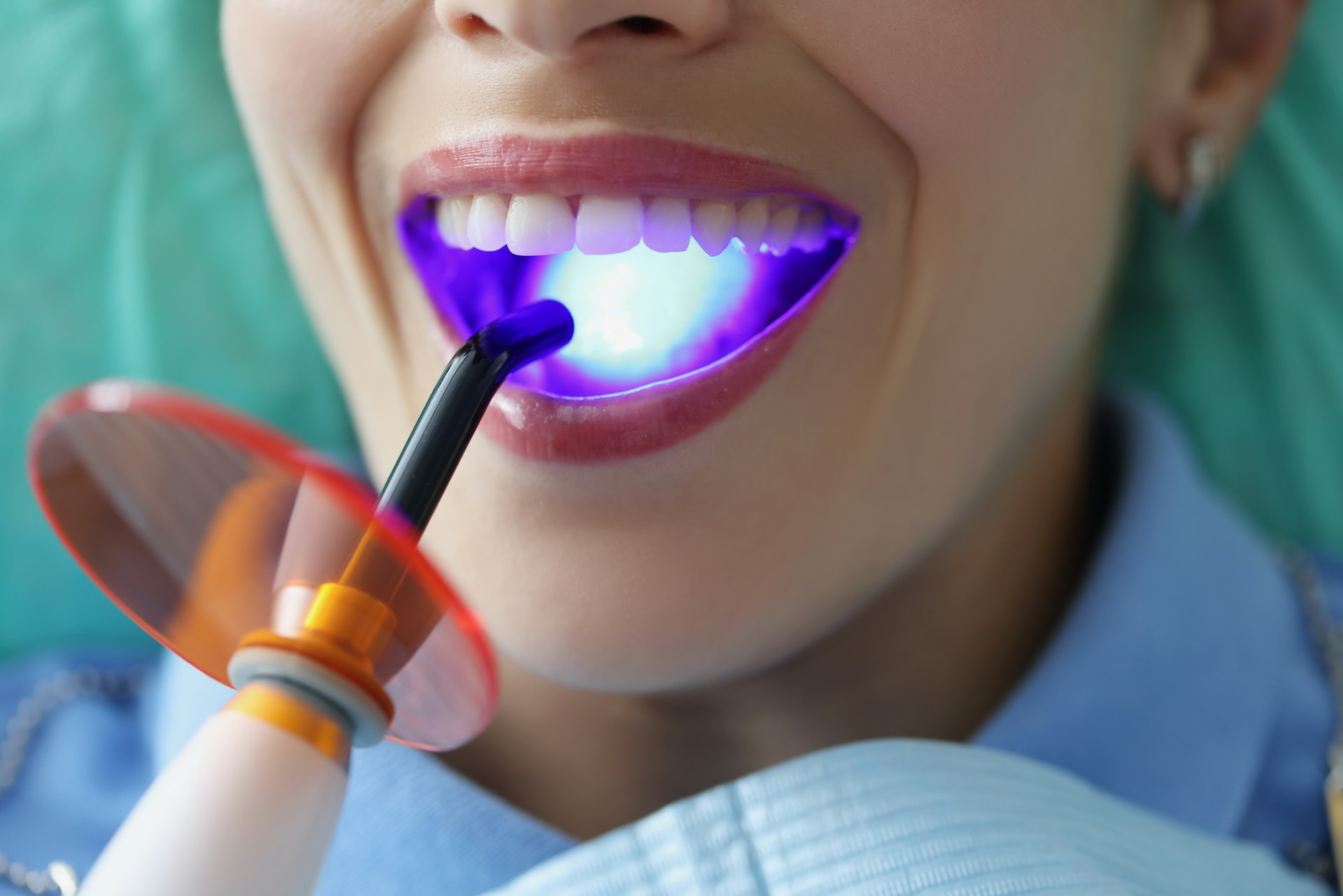
Composite bonding is a process where we apply a tooth-coloured resin directly onto the tooth surface. It’s shaped carefully, then hardened with a curing light, giving a result that blends in closely with your natural enamel.
One thing that sets bonding apart from treatments like veneers or braces is how little prep it takes. There’s no shaving down the tooth or adjusting its angle. Instead, the resin is bonded on and shaped to close visible gaps or cover uneven edges.
This method works best for small fixes. Surface gaps and areas where teeth don’t quite meet are often good candidates. It’s not meant for large gaps or major repositioning, but it can smooth out uneven spacing quickly. We often recommend it for front teeth, especially the ones that show the most when you talk or smile.
At The Croft Dental & Implant Practice, we use advanced, tooth-coloured composite materials designed to offer a natural match to your surrounding enamel. Each case starts with a consultation, so we can choose the most suitable shade and shape for seamless results.
When Bonding Is a Good Choice for Filling Gaps
Bonding is often a smart choice when the space between teeth doesn’t impact your bite. If chewing and speaking are fine but the gap catches your eye every time you see your reflection, that’s where bonding might come in.
It’s helpful for those who are looking for something:
- That won’t take weeks or months to complete
- That avoids drilling or changing the natural tooth shape
- That’s more focused on look than on function
We’ve worked with all sorts of spacing situations, including just a single front gap that a patient wanted to even out without a full treatment plan. When the gap is slender and the tooth structure is healthy, bonding is often a good match.
It’s important to remember this is for mild changes. If the space is large or affects more than just visuals, we might need to talk about different types of treatment. But for those minor gaps that just throw off how your smile lines up, bonding gets the job done fast.
Things to Consider Before Going Ahead
Bonding is one of the quicker options out there, but it’s not completely maintenance-free. Since the resin material isn’t as strong as natural enamel, it may wear down or chip over time. That could mean touch-ups eventually to keep the tooth looking smooth and the gap closed.
Everyday habits play a role here too. If you bite fingernails or use your teeth to open things, those actions could wear the bonding faster. Drinks like coffee and red wine can stain the surface more quickly than natural enamel. A few changes in your routine can help the material look better for longer.
Bonding also isn’t advised when the spacing is wide or when teeth take on a lot of pressure from grinding or misalignment. If the tooth is under stress, the resin might not hold up long.
Before deciding, it helps to ask:
- Is the gap small and more about appearance than function?
- Are you okay with the idea of potential touch-ups in the future?
- Do you have habits that could damage the bonding after it’s placed?
Our cosmetic dentistry team will review these points with you at your consultation, making proper recommendations if alternative options are better suited.
What to Expect from the Process and Timeline
One of the reasons bonding is so popular is how quick the process is. In most cases, it only takes a single visit. After a look at the tooth and a quick check to confirm this approach will work, we clean the surface and begin building the resin into place.
We colour-match the bonding material so it blends in with your other teeth, and then shape it carefully to fill the gap. Once shaped, it’s cured using light to harden it fully. Then we smooth the surface to feel natural when you run your tongue over it.
You’ll typically be able to eat, smile, and speak normally right after the visit. The recovery is short, and the change is noticeable almost instantly.
A Smoother Smile Can Feel More Natural
When the size and shape of your teeth are mostly where they need to be, a small change like filling a gap makes a big difference. It’s not about chasing perfect teeth. It’s just about the way your smile feels when you’re not focused on distractions like spacing.
Heading into the more social months of spring, it’s nice to feel relaxed about how your teeth look when you’re meeting people or chatting outside in the brighter light. Composite bonding is one way to bring that sense of ease back, especially when your teeth already do their job just fine but simply need a little polish in how they show up.
Exploring ways to close small spaces in your smile without intensive treatment? Our team at The Croft Dental & Implant Practice can help you decide if something like composite bonding in Poynton is right for your goals. Subtle adjustments such as these often work best when your teeth are healthy, and you’re simply aiming for more balance across your front teeth. We focus on straightforward solutions to meet your needs, and we’re always here to talk through your options. Get in touch to ask questions or book your appointment.
Related Posts