With colder days starting to fade and hints of spring on the way, many people around Nether Alderley are thinking about fresh starts. That includes how their teeth look. For small chips, rough edges or uneven colouring, composite bonding has become something more locals are considering. It’s meant for touch-ups and small fixes, not major overhauls.
We know it can be helpful to look at treatments honestly before committing. Composite bonding offers certain conveniences, but like anything, it’s not perfect for every situation. Let’s break down what it really is, where it works well, and what to think about before going ahead.
What Composite Bonding Actually Does
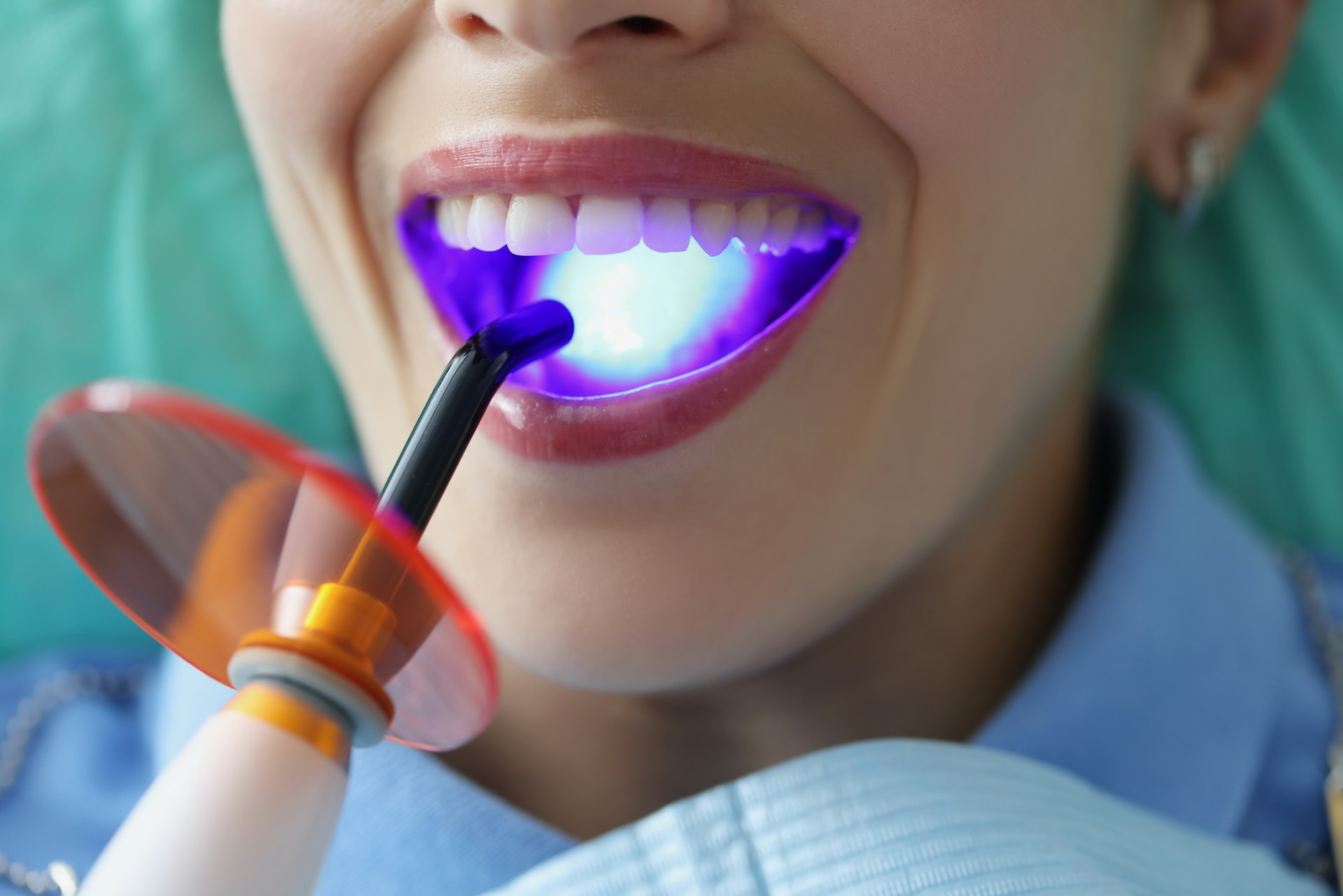
Composite bonding is a cosmetic technique that uses tooth-coloured resin. We shape this material directly onto the tooth and then harden it with a light. The result is a surface that fills in small gaps or damage without needing crowns or veneers.
Here’s what bonding is often used for:
- Smoothing out uneven edges or correcting teeth that appear shorter than others
- Repairing minor chips or surface-level cracks
- Covering small areas of discolouration or worn-out fillings
- Filling a gap between teeth if it doesn’t affect your bite
Unlike treatments that involve full tooth coverage, bonding leaves much of the natural structure alone. It’s a quick and surface-level option, which is exactly what some people are after. While veneers or crowns reshape or cover most of the tooth, bonding focuses on smaller, more specific changes.
Composite bonding isn’t only limited to the front teeth. It can also be used on slightly worn teeth towards the back, provided these areas do not take on heavy pressure while chewing. The versatility allows dentists to work with each patient’s unique needs, fitting the bonding process into a regular dental appointment in most cases. Local residents often appreciate the way this method can quickly refresh a smile without requiring the commitment of more involved procedures.
The Practical Pros: Why Some Locals Choose Bonding
One of the main reasons people choose composite bonding is the convenience. We often complete everything in one visit, which is appealing when winter’s almost over and diaries are filling up again. It’s easy to fit into a normal week without too much disruption.
Here’s what else makes bonding attractive:
- No drilling or numbing in most cases
- Keeps your original tooth mostly untouched
- Can be done quickly, which saves time
- The result blends with your natural teeth when done with care
- No wait time for lab-made items
Because the resin material is matched to existing tooth colour, it can be hard to tell any work was done. That’s a big plus when people want their smile to look better without going through a lot of dental work.
At The Croft Dental & Implant Practice, composite bonding is offered as part of the cosmetic dentistry services, and all treatment plans are adjusted to each patient’s specific goals and needs. We use modern, tooth-coloured resin that is carefully selected and sculpted for an ultra-natural appearance.
Another benefit of choosing bonding is the flexibility it offers. If a change is needed or a patient decides they want a different approach later, the procedure can usually be reversed or updated without removing healthy tooth structure. The minimally invasive aspect is a strong point, as many people prefer to keep their natural teeth intact as much as possible.
Potential Drawbacks to Keep in Mind
Bonding works best when the changes are small. If the resin is added to a biting surface or a place that takes a lot of wear, it may not hold up as well. We see this more often with people who like very crunchy or chewy foods.
Staining can also be an issue with time. People who drink a lot of tea, coffee, or red wine may notice that their bonded teeth pick up colour faster.
Some other points to keep in mind:
- The finish may lose its shine before other dental options
- Small cracks or chips can appear after constant use
- Maintenance may include polishing or reshaping
- Full replacement might be needed down the road, depending on habits
We always remind patients that bonding doesn’t last forever. It works well under the right conditions, but if you’re looking for a solution that lasts decades, this might not be the best match.
Although composite bonding is ideal for little fixes, it is not always suitable for everyone. Teeth that regularly endure a lot of force, either through habits like grinding or biting on hard items, may not retain the resin as long. Since the resin is softer than natural enamel, it is likely to chip in circumstances that stress the material repeatedly.
When Composite Bonding Is and Isn’t the Best Choice
Composite bonding is a great choice for teeth that need adjusting without major repair. If the issue doesn’t affect how your teeth close or function, bonding may offer the right balance between cost, comfort, and convenience.
Bonding tends to work well for:
- Cosmetic-only concerns that don’t affect alignment
- Chipped front teeth that haven’t lost much structure
- Small gaps that aren’t causing problems with bite or speech
- Evening out one or two teeth so everything looks more uniform
It might not be the right choice when:
- A tooth has deep cracks or damage into the nerve
- A crown or root canal is already needed
- There’s repeated damage to the same area under pressure
- You’re looking for a major transformation or very long-term change
We always suggest thinking about how your bonding would fit into daily habits. If you tend to grind your teeth or bite down on hard objects often, bonding may wear quicker than other options.
It is important to work with a dental team that understands whether bonding meets your goals and lifestyle before moving forward. At times, we may suggest other options if a tooth shows early signs of needing more support, protecting both your results and your overall oral health.
Keeping Smiles Comfortable into Spring and Beyond
A smart choice at the end of winter can make a real difference as the months go on. Composite bonding is a good fit for people who want some tidy-up work without much downtime. When the work is planned with care and matched to your bite and habits, it often blends in and feels natural.
Our experienced team will discuss how composite bonding fits with your goals and can provide advice on maintaining your results. We always focus on preserving your natural teeth while delivering a visible improvement that lasts through the season.
Taking the time to learn about all your cosmetic treatment options makes it easier to choose what feels right. Composite bonding offers a gentle, quick option for repairs or adjustments, especially for those who want to refresh their smile with minimal changes as the warmer months approach.
Considering a brighter, more confident smile without extensive procedures or downtime? We’re here to help you explore your options, starting with composite bonding in Nether Alderley for those primarily interested in cosmetic enhancement. At The Croft Dental & Implant Practice, we always focus on what fits your needs best, whether that means repairing a chipped tooth at the front or refining the shape of a single tooth. Get in touch to talk about the possibilities and let us help you achieve your ideal smile.
Related Posts