If you’ve got a small chip, a slightly uneven edge, or a discoloured spot on your tooth, it might feel like a bigger deal than it looks. Many people feel the same way. That’s why more of us are turning to composite bonding in Alderley Edge. It’s a simple treatment that can help improve how your teeth look and feel, without long appointments or heavy work on your teeth.
For those who haven’t done it before, it’s easy to feel unsure. What happens during the visit? Does it hurt? Will it feel different when chewing? These are all normal questions. Knowing what to expect can make the whole appointment much less stressful. Since we’re in the back stretch of winter, it’s also a good time for a quieter, lower-maintenance treatment that doesn’t call for too much aftercare. Let’s walk through what you can usually expect from your bonding appointment, step by step.
Before You Arrive: How to Get Ready for Your Composite Bonding Appointment
Some people think they can just show up and get started, but it’s worth taking a bit of time to talk through what you want. A proper consultation helps make sure everything is clear from the start.
- We’ll usually begin with a chat about what bothers you, whether it’s rough edges, short teeth, or spots where fillings have worn down. That helps set goals.
- Before going ahead, we’ll also check your teeth for decay, gum issues, or bite problems that might affect bonding. The material has to sit well on healthy teeth.
- On the day before, it can help to brush extra gently and avoid foods or drinks that stain, such as strong tea, curry, or red sauces. These can affect how the tooth’s surface bonds with the resin.
Coming in relaxed and knowing that there is already a plan helps the visit move smoothly. It also makes it easier to fit everything into one appointment, especially for simpler cases.
What Happens During the Appointment
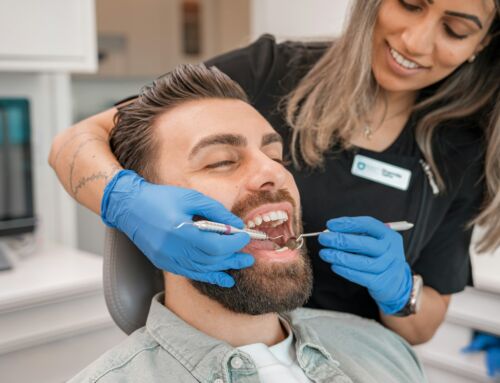
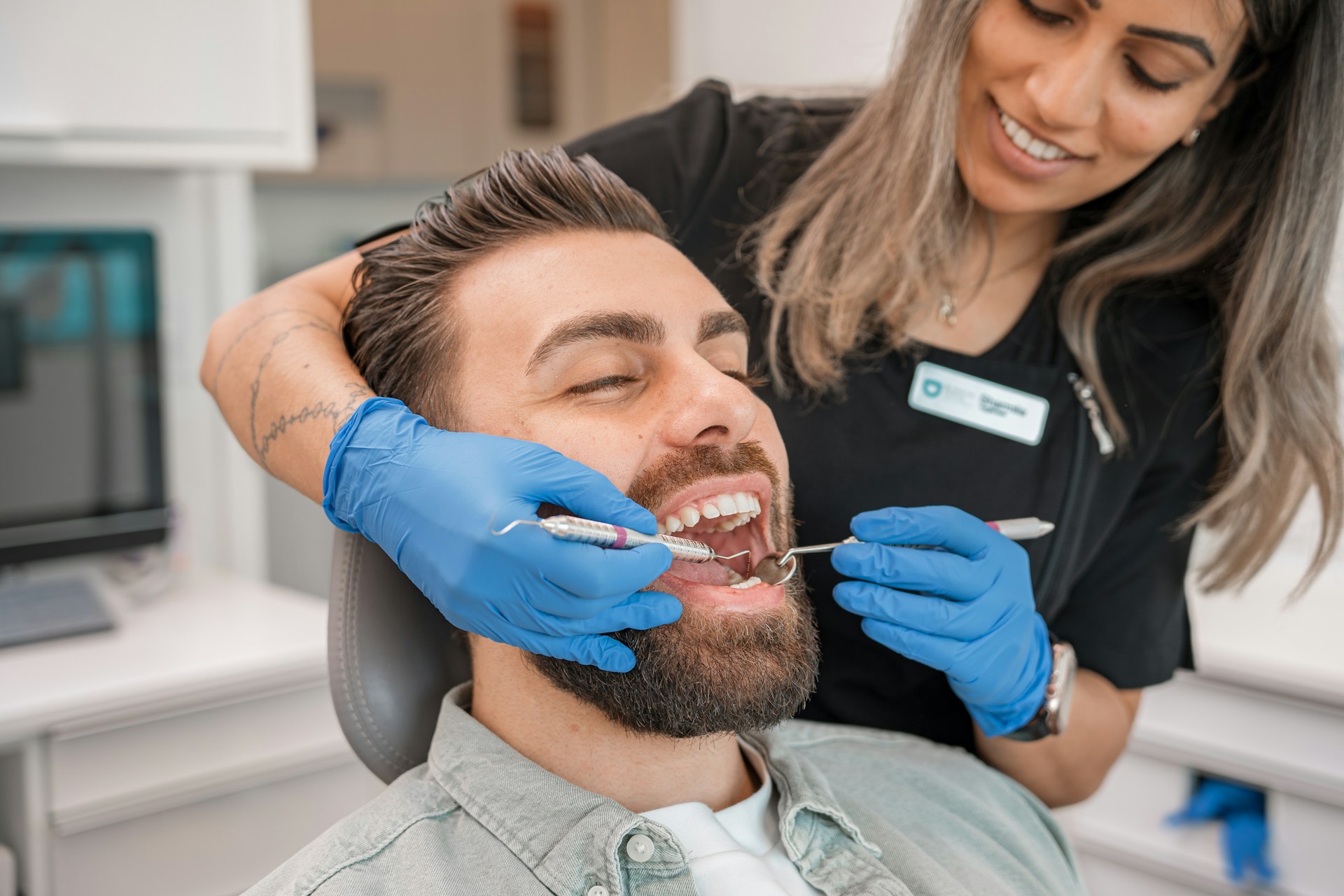
We start by getting your tooth ready. That doesn’t mean we’re taking away a lot of your natural tooth. In most cases, we don’t need to drill or shape much at all.
- The surface gets cleaned and lightly roughened so the resin stays in place properly. Then we add a bonding agent to help it stick.
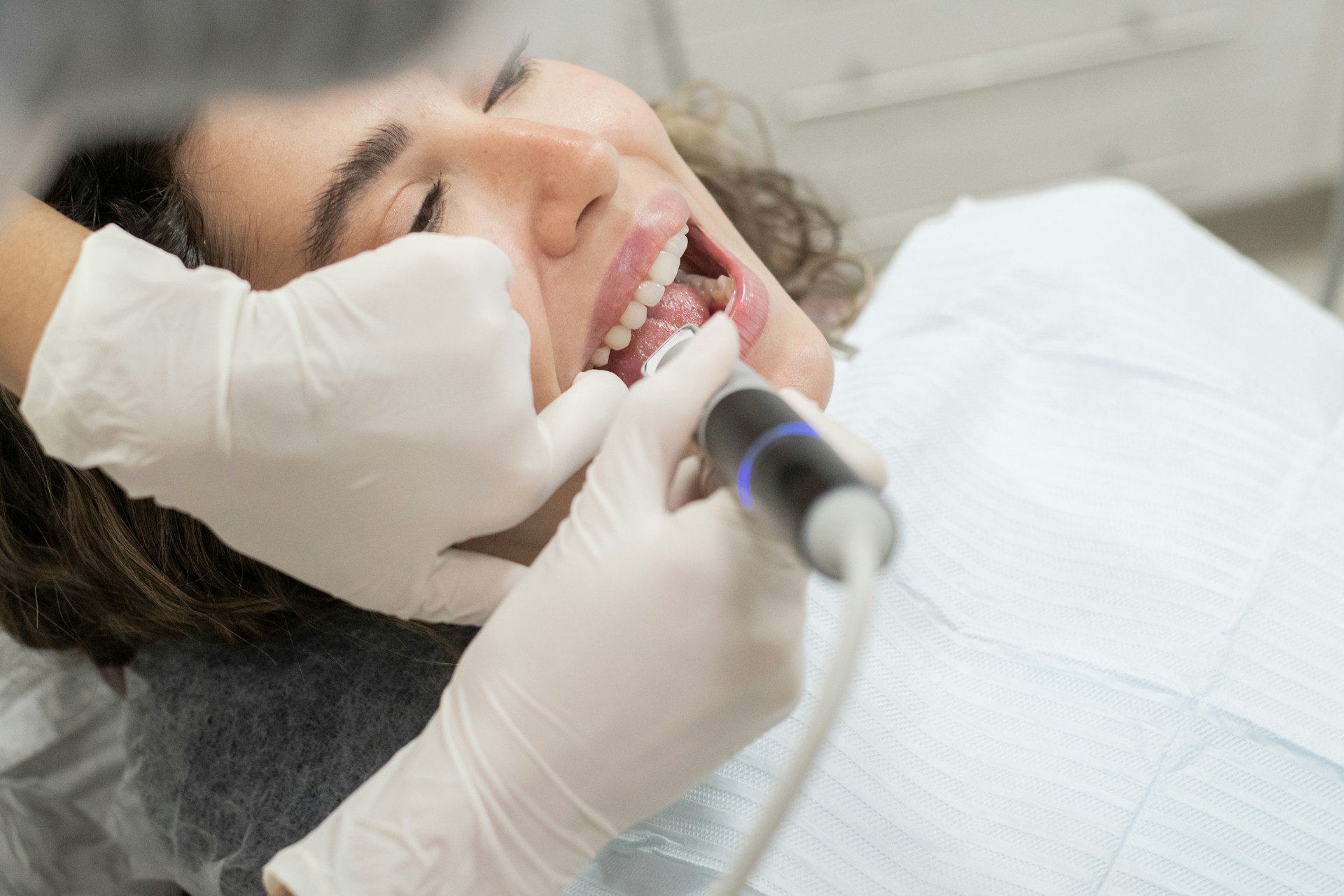
- The composite resin material goes on in layers. Each layer is shaped to match the tooth’s natural curve and is set using a blue light that hardens it.
- After it sets, we smooth and polish the new surface until it blends in with your real tooth.
The whole process is gentle and won’t feel like a major treatment. Composite bonding is a minimally invasive cosmetic option, meaning there’s very little, if any, removal of your healthy tooth structure. You’ll be awake throughout, and you shouldn’t feel anything sharp or uncomfortable.
Right After the Treatment: What You Might Notice
Once the bonding is finished, it can feel a bit strange at first. This is normal. It’s still your tooth, just with some added material on top that needs a little time to settle in with your bite.
- Some people say the surface feels smoother or slightly thicker for a day or two.
- Most can eat and drink right away, though sticking to soft foods for the first few hours helps avoid pressure on the new bonding.
- Drinking hot drinks is fine, though it’s best to wait until full feeling returns if you’ve had any numbing done for other work.
Give your mouth a day or two to adjust, especially if changes were made to your bite edge or side teeth. If something feels off, it is easy to re-polish or adjust tiny areas afterward.
Keeping Your Bonded Teeth in Good Shape
Bonding doesn’t need much special care, but small habits can make a big difference. If you want your results to hold up through the rest of winter and well into the year ahead, here are some tips.
- Brush gently with a soft toothbrush and non-abrasive toothpaste to keep the surface smooth.
- Try to avoid biting your nails, chewing pencils, or using your teeth to open packaging, as this can wear or crack the bonding.
- Limit foods and drinks that stain. Tea, coffee, dark berries, and red sauces can slowly dull the finish.
Bonding can stay in place for a long time, but touch-ups are common. If the edges feel rough later or you notice shape changes, we can help decide whether reshaping or re-polishing is needed.
Composite Bonding: A Modern and Minimally Invasive Option
Composite bonding is a popular choice in Alderley Edge for those looking to improve minor flaws without extensive work or waiting. The Croft Dental & Implant Practice uses highly aesthetic materials matched closely to your surrounding teeth, and the procedure is typically completed in a single visit. This makes it efficient for busy schedules and ideal for subtle improvements that look natural in everyday life. According to our practice philosophy, cosmetic changes should enhance your confidence while preserving your overall dental health, making composite bonding a trusted favourite among our patients.
Know What to Expect, Smile with More Confidence
Feeling nervous before a dental visit is completely natural, especially if you’ve never had bonding done before. The good news is that knowing what to expect goes a long way toward feeling relaxed and ready.
Composite bonding in Alderley Edge involves a few straightforward steps, often completed in one visit, and the results are visible straight away. With early planning and simple aftercare, you can keep your smile looking refreshed and natural for months to come.
Making a small change can create a big difference in your smile, and that’s why many of our patients in Wilmslow are choosing treatments like composite bonding in Alderley Edge for its simplicity and natural-looking results. It’s a great option for the season, giving you the chance to tidy up chips or uneven edges without much downtime. At The Croft Dental & Implant Practice, we’ll make sure you understand your options clearly and comfortably. Call us today to book your consultation.
Related Posts